How Canadian Online Gamblers Are Using Cryptocurrency in 2026: A Complete Guide to Finding the Best Bitcoin Casinos for Secure, Fast Payouts

I've spent a fair bit of time lurking on Canadian gambling forums lately, and there's one thing you can't miss: everyone's talking about crypto. It's not some fringe trend anymore — not even close. By 2026, Bitcoin and other digital currencies have become a normal part of how Canadians fund their online casino accounts, and once you look at the numbers, it's not hard to see why. Withdrawals that used to drag on for three to five business days through a bank now clear in minutes. I've watched players who got sick of their e-transfers bouncing back with 'transaction declined' messages finally find something that actually works.
Canada's regulatory landscape is still a patchwork, honestly — each province sets its own rules, and federal banks keep treating gambling-related transactions like they're radioactive. That friction is exactly why so many players have drifted toward crypto-friendly platforms. It's not about dodging oversight. It's about dodging the delays and fees that traditional banking rails tack onto something as simple as collecting your own winnings.
Why Canadian Gamblers Are Turning to Cryptocurrency
This shift didn't happen overnight. But once I started comparing withdrawal times side by side myself, the decision got pretty obvious. Faster payouts, lower fees, and a layer of privacy traditional banking just can't match — those three things are driving the whole thing.
The Payment Problem with Traditional Banking
Anyone who's gambled online in Canada with a credit card knows the drill. Some banks flag the transaction outright. Others let the deposit through, then refuse the withdrawal back onto the same card — which, if you ask me, is backwards. E-transfers aren't much better either; Interac has daily and weekly limits that frustrate high-rollers, and some banks have quietly started blocking transfers to known gambling operators. Add withdrawal times that stretch from '2-3 business days' to, sometimes, a full week, and you start to get why people look elsewhere.
Crypto's Edge — Speed, Privacy, and Lower Fees
Bitcoin withdrawals at a well-run casino typically clear within 10 to 30 minutes. Sometimes faster. There's no bank intermediary sitting there deciding whether your transaction 'looks suspicious.' Network fees are a fraction of what you'd pay in currency conversion or wire charges, and since you're not handing your actual banking details to the casino, there's a built-in buffer of privacy too. For players who value discretion — maybe you don't want gambling transactions popping up on a joint bank statement — that matters more than people admit.
Which Cryptocurrencies Are Popular at Canadian Online Casinos
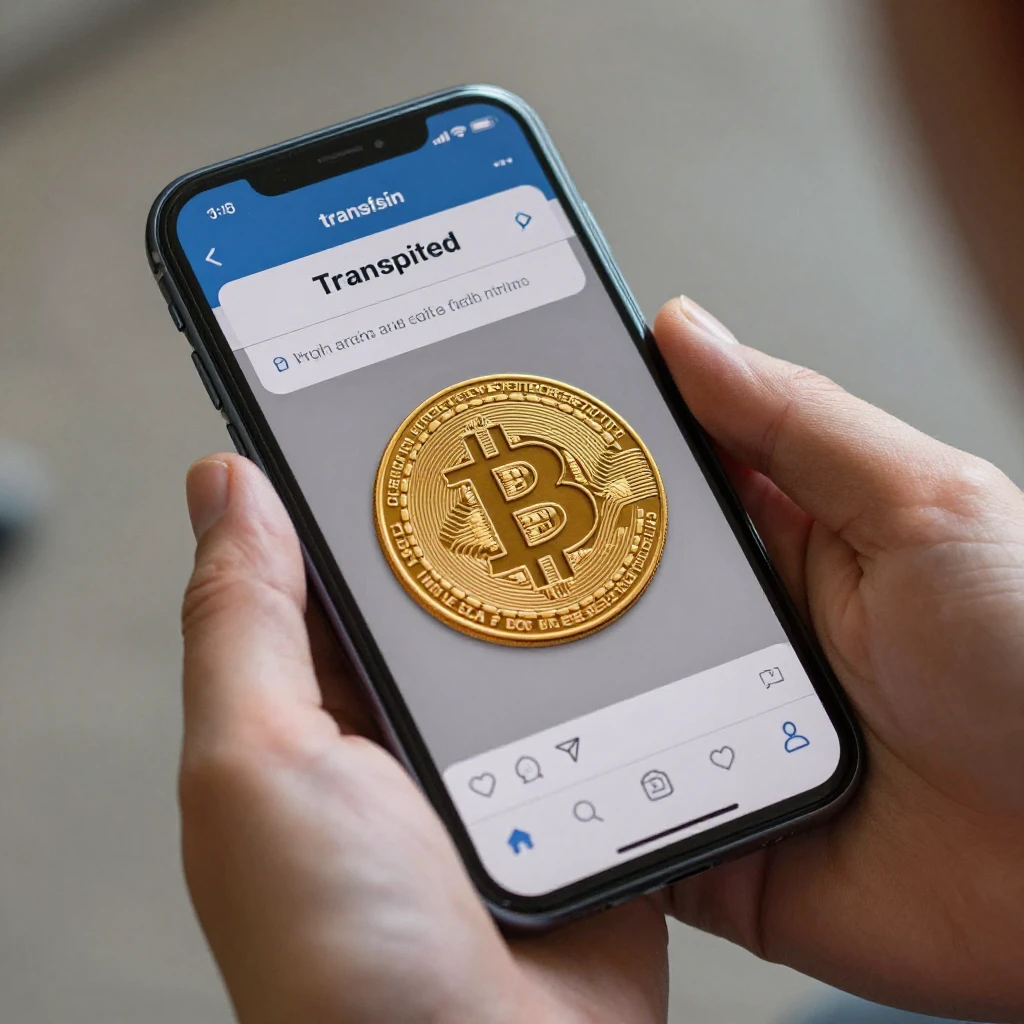
Bitcoin still dominates. It's not close. Newer, faster chains keep entering the space, but BTC's brand recognition and liquidity keep it the default pick at most licensed operators. Ethereum has carved out a solid niche too, especially among players who appreciate smart-contract-based provably fair systems. And Litecoin stays popular for its lower fees and quicker confirmations — a favorite for smaller, frequent transactions.
Stablecoins like USDT have picked up real traction over the past year as well. The appeal is simple: you sidestep Bitcoin's price swings entirely, which matters if you're planning to leave funds sitting in your casino wallet instead of cashing out right away. Still, for most Canadian players I've talked to, Bitcoin remains the default — nearly every crypto-friendly casino supports it, and liquidity on Canadian exchanges makes buying and selling painless.
How to Identify a Secure and Legitimate Bitcoin Casino
This is where due diligence actually matters. Not every platform slapping 'crypto accepted' on its homepage has the player's best interest in mind — I've learned that the hard way more than once. Start with licensing. Reputable operators hold licenses from jurisdictions like Curaçao, Malta Gaming Authority, or the Kahnawake Gaming Commission, the latter being especially relevant since it's based right here in Canada and has a long track record regulating online gambling operators.
Beyond licensing, look for provably fair gaming systems — these let you verify, mathematically, that a game's outcome wasn't rigged. SSL encryption should cover the entire site, not just the payment page. And transparent withdrawal policies, meaning clearly stated limits, processing times, and no hidden conditions buried in fine print, aren't optional.
Given how many crypto casinos have popped up over the last couple of years, comparing them one by one gets exhausting fast. This is where dedicated review sites earn their keep. For players researching trustworthy platforms, directories reviewing the best bitcoin casinos can help narrow down licensed, secure options built for Canadian users before you deposit a single satoshi. It's a practical first step — better than relying on flashy ads or forum hearsay.
Red Flags to Watch For
- No visible licensing information, or licenses that can't be verified on the regulator's own site
- Vague or inconsistent KYC (know-your-customer) policies, especially around withdrawal time
- Reports of delayed or denied withdrawals showing up repeatedly in player reviews
- Terms and conditions that bury wagering requirements or withdrawal caps in confusing language
- No live chat or responsive customer support when issues arise
Step-by-Step Guide to Depositing and Withdrawing with Bitcoin
Getting started isn't complicated once you understand the flow. First, set up a crypto wallet — Exodus, Electrum, or a hardware wallet like Ledger all work well for Canadian players who want full control over their keys. Next, buy Bitcoin through a regulated Canadian exchange like Bitbuy, Coinsmart, or Shakepay, all of which comply with FINTRAC and make the buying process straightforward with Interac or bank transfer funding.
Once BTC lands in your wallet, send the amount you want to gamble with to your casino account. This usually takes 10 to 60 minutes depending on network congestion and the fee you choose — pay a bit more, confirm faster. When it's time to cash out, request a withdrawal from the casino back to your personal wallet. Reputable platforms process these within an hour, though some run manual reviews on larger withdrawals, which can tack on a few extra hours. Always double-check wallet addresses before confirming any transfer. Crypto transactions are irreversible — I can't stress that enough.
Common Mistakes Canadian Crypto Gamblers Should Avoid
Volatility is the big one people underestimate. Bitcoin's price can swing meaningfully within a single gambling session, so what you deposited might be worth noticeably more, or less, by the time you withdraw. Some players deal with this by converting winnings to a stablecoin right after cashing out.
Using sketchy, unregulated exchanges to buy crypto in the first place is another trap — stick to platforms registered with FINTRAC. Skipping two-factor authentication on your wallet and casino account is a rookie mistake that leaves you wide open to account takeovers. And since crypto transactions feel frictionless compared to swiping a card, it's easy to deposit more than planned without that mental 'ouch' moment traditional payments give you. Reputable crypto casinos now offer deposit limits, self-exclusion tools, and cooling-off periods. Use them the moment you notice your spending creeping up.
The Future of Crypto Gambling in Canada
Looking ahead, I think regulatory clarity is coming, not less of it. Provincial gaming bodies, including iGaming Ontario, have started acknowledging crypto's growing footprint instead of pretending it isn't there. Stablecoin adoption will likely speed up too, since it solves the volatility problem that keeps cautious players on the sidelines. Blockchain-based loyalty programs — where VIP points live on-chain and can actually be transferred or traded — are starting to show up at forward-thinking operators as well, giving players more control over rewards than old-school point systems ever offered.
At the end of the day, cryptocurrency has given Canadian players something traditional banking never managed to pull off: speed, lower costs, and real autonomy over their own money. But none of that replaces basic diligence. Stick with licensed operators, verify provably fair systems, keep wallet security tight, and treat crypto's volatility with respect rather than overconfidence. The space keeps moving fast, and staying informed — rather than chasing the flashiest bonus offer — is still the smartest way to play it safe in 2026 and beyond.